Agent Integrations

Connect prospecting steps without hiding the boundaries

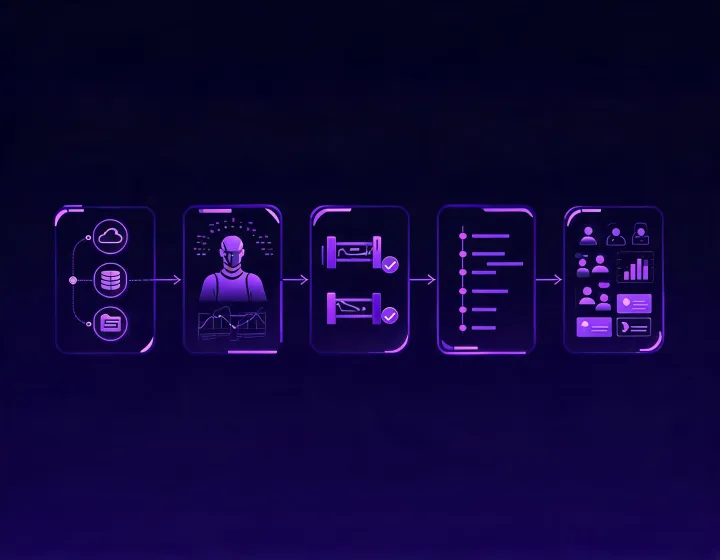
Map inputs, research actions, credentials, evidence, and destinations as visible nodes. Amplemarket's installation pattern keeps runtime compatibility and permission decisions explicit so GTM engineers can understand what a workflow will touch before they run it.
npx -y @okki-global/okki-go-taroball
Agent integration canvas with permission gates
Runtime matrix

Describe every connection by role, scope, and status

This matrix avoids implying an official partnership or universal compatibility. Actual availability depends on the agent runtime, provider account, installer documentation, credentials, and scopes configured by the user.

Input sources

Natural-language briefPermission: prompt context onlyVerified pattern
Configured data providerPermission: provider-specific read scopeConfig-dependent
CRM account setPermission: selected record readConfig-dependent

Research agent

Task plannerTurns the ICP into explicit research stagesWorkflow pattern
Enrichment routerUses only connected sources and records provenanceConfig-dependent
Human review gateRequires operator judgment before activationRequired pattern

Output destinations

Structured resultPermission: local or runtime outputWorkflow pattern
CRM updatePermission: approved fields and recordsConfig-dependent
Engagement platformPermission: review-approved handoffNot disclosed
Execution trace

A sample output that shows where each field came from

SAMPLE

Structured candidate

Company: Example Shield Ltd.

Role: Revenue Operations Lead

Verification: Config-dependent

Architecture ledger

Questions to answer before connecting production data

Data sources

  • Provider identity: Config-dependent
  • Refresh cadence: Consult the configured provider
  • Field provenance: Preserve with the result

API keys

  • Storage: Use runtime secret management
  • Scopes: Grant the minimum required
  • Rotation: Follow provider policy

Runtime behavior

  • Network access: Review installer and host policy
  • Tool calls: Inspect logs where supported
  • Updates: Verify package version before rerunning

Removal and retention

  • Uninstall: Follow host-agent instructions
  • Credentials: Revoke separately at each provider
  • Output retention: Defined by your environment
Integration runbook

Copy, run, configure, then validate

  1. 1. Copy

    npx -y @okki-global/okki-go-taroball

    The clipboard now contains the command; installation has not happened.

  2. 2. Run

    Execute in an environment that meets the package prerequisites, after reviewing the package name and terminal context.

  3. 3. Configure

    Add one approved connection at a time, keep keys in secret storage, and document scopes and ownership.

  4. 4. First result

    Use non-sensitive sample criteria, check the trace, then decide whether the runtime behavior meets your architecture and governance requirements.